Contents


In December 2024, OnePlus announced a lifetime display warranty against green-line issues for eligible smartphones in India. The commitment addressed a specific product concern, turning a service assurance into a visible brand promise.
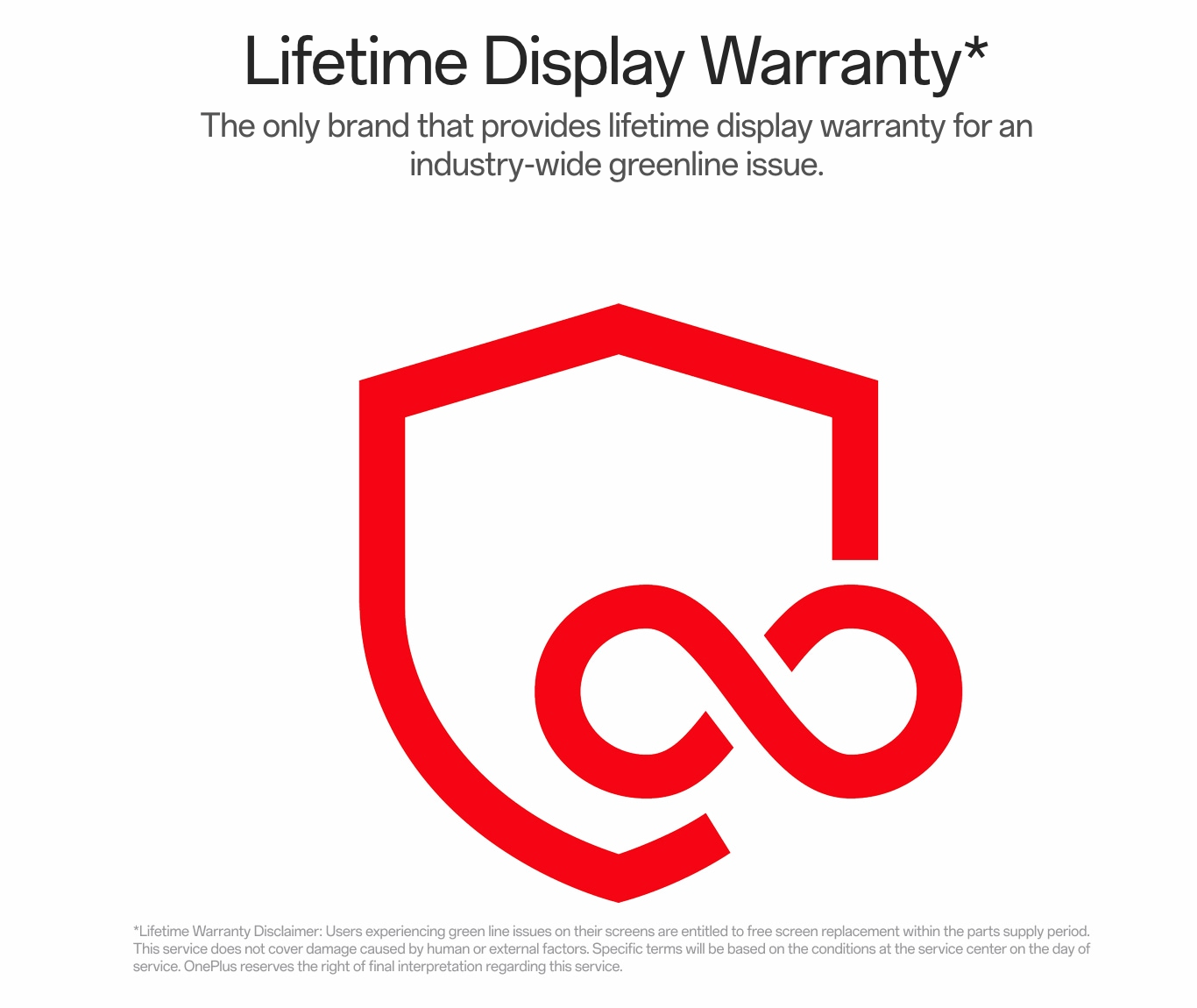
https://www.oneplus.in/rcc/lifetimedisplaywarranty
In September 2026, our customer, Xiaomi introduced its “2 Year Note Promise” for eligible Redmi Note 17 Pro series buyers, bringing extended warranty, screen replacement and battery-related benefits together under a single proposition.
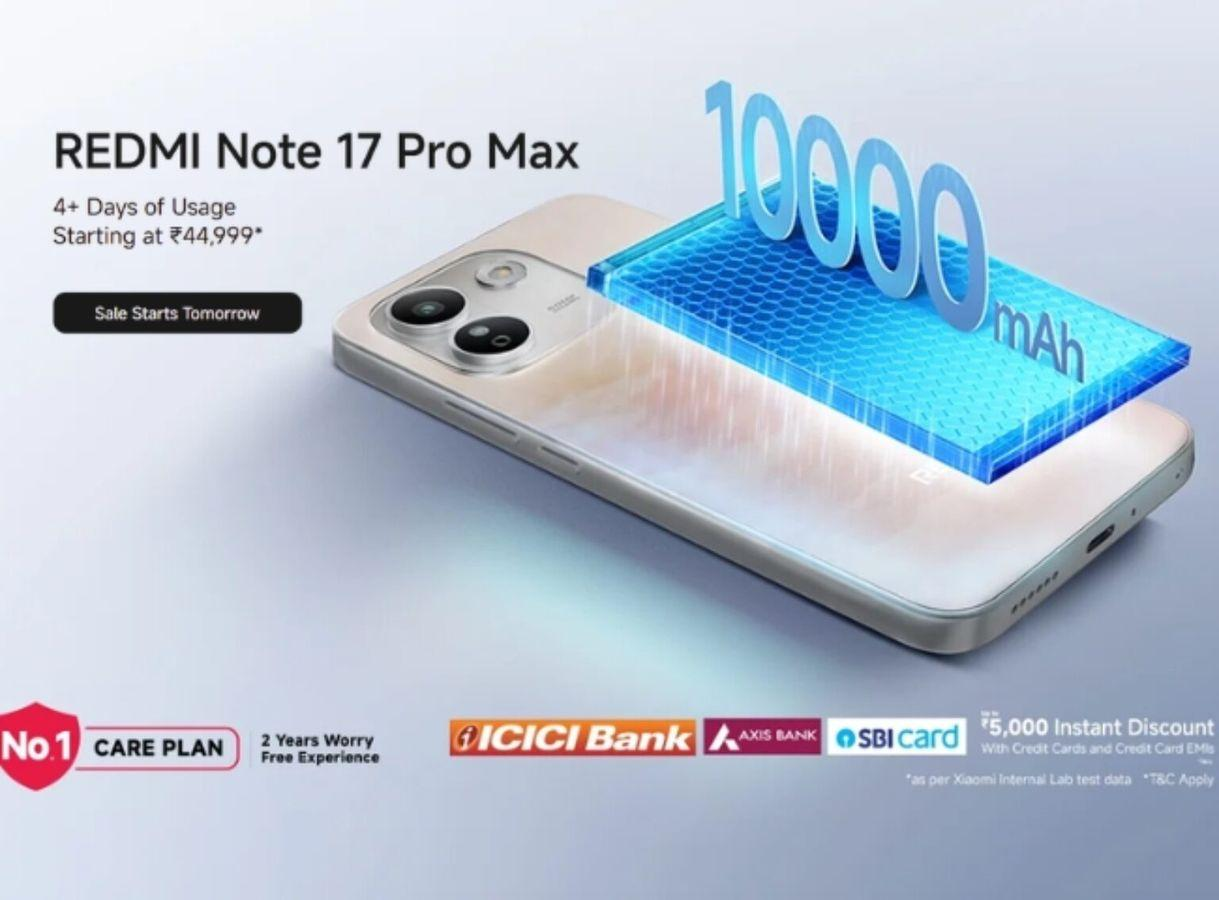
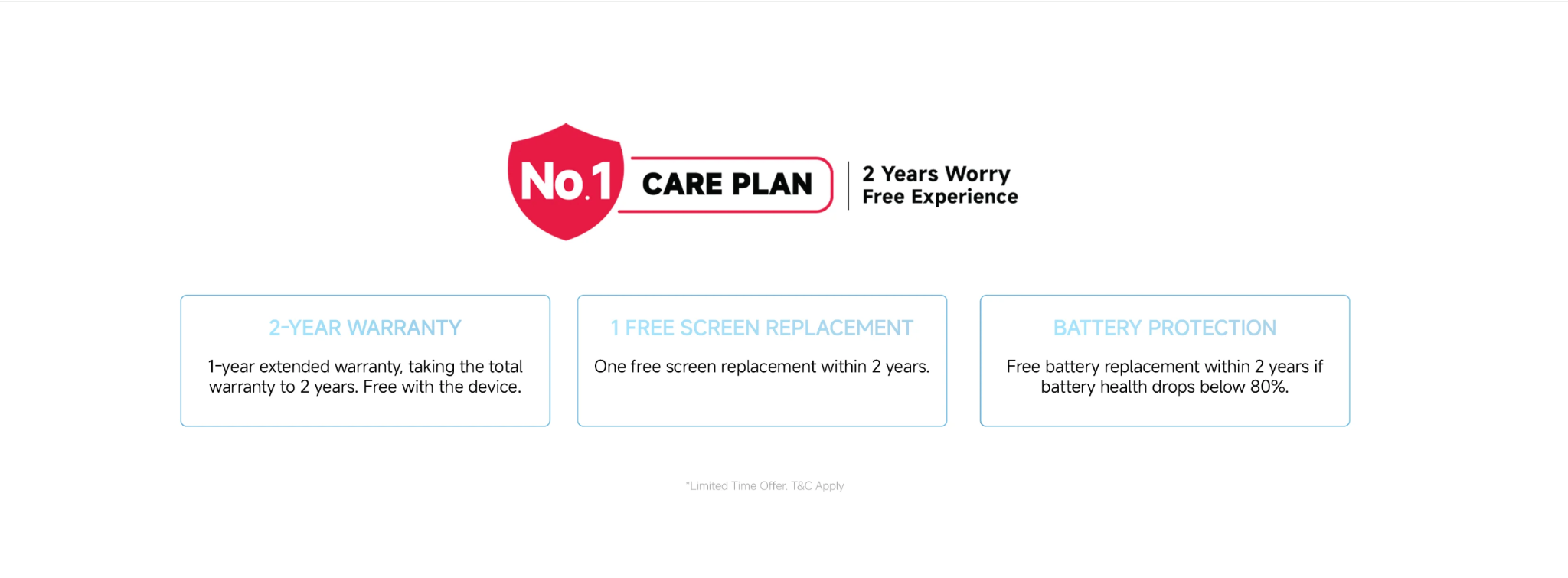
https://www.mi.com/in/event/care-plan-pro-5g?utm_source=chatgpt.com
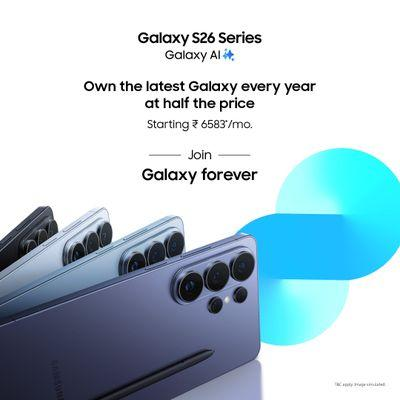
Meanwhile Samsung, another one of our esteemed customers, introduced Galaxy Forever in March 2026, combining device-care coverage with a model that allows eligible Galaxy S26 Ultra and S26 Plus customers to return, retain or upgrade their devices after a year, subject to the chosen payment route and programme conditions.
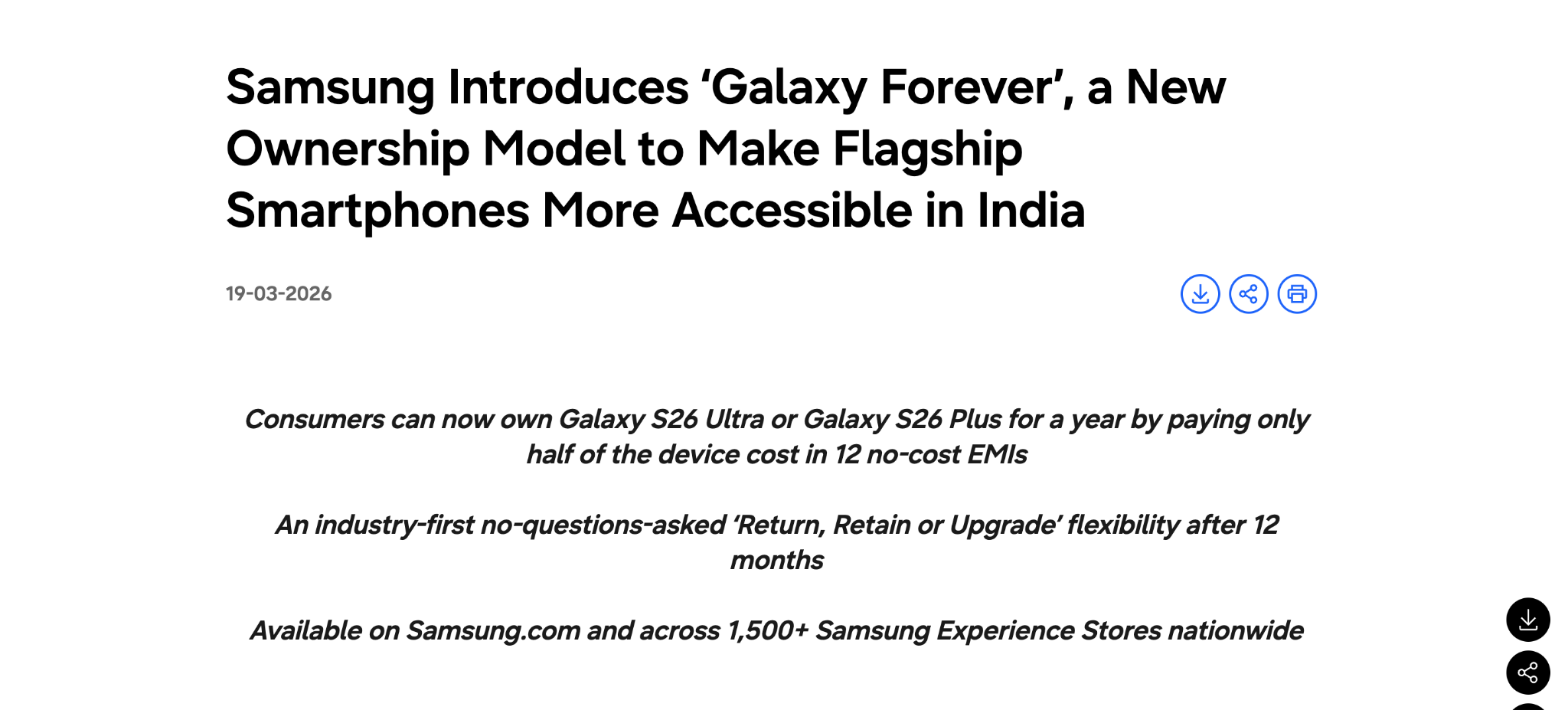
These are not identical propositions. One addresses a specific product concern, another bundles multiple care benefits with a device, and the third changes the financial terms and flexibility of ownership.
But they point towards a question worth examining: what happens when the promise surrounding a product becomes part of the product's appeal?
Most definitely, it raises the possibility that assurance can contribute to differentiation before a purchase is made.
The product is no longer the entire proposition
Consumer technology brands have traditionally competed through a familiar set of levers: specifications, design, performance, pricing and distribution. These remain central to product choice. Yet in categories where products increasingly offer comparable capabilities within a price segment, the next source of differentiation may not always be another feature.
It may be the experience of owning the product.
A consumer buying a premium smartphone is not evaluating the camera or processor in isolation. They are also committing to an asset they expect to use every day, potentially for several years. Repair costs, device reliability, service accessibility and the prospect of upgrading all influence the broader economics of that decision.
These considerations are not equally important to every buyer. Nor does every warranty or care benefit materially change a purchase decision. But when two products appear comparable on the specifications that matter to a customer, the ownership proposition can introduce another basis for comparison.
This is where assurance becomes commercially interesting.
A clearly defined screen replacement benefit can make the cost of an accidental mishap more predictable. An extended warranty can address concerns about mechanical or electrical failures beyond standard coverage. An accessible service network can make the prospect of getting a device repaired less uncertain.
None of these benefits changes the underlying hardware. They can, however, change how the customer evaluates the overall proposition.
The distinction is important: a product's value is partly determined by its capabilities, but its perceived value can also reflect the risks and costs associated with owning it.
And now, the marketing has begun to reflect that.
A market already operating at scale
At Zopper, the scale of adoption offers another perspective on this category. A Zopper-powered smartphone or appliance care plan is purchased approximately every ten seconds, according to the company's reported figures.
Check it out here: https://www.linkedin.com/feed/update/urn:li:activity:7521035542889771008/
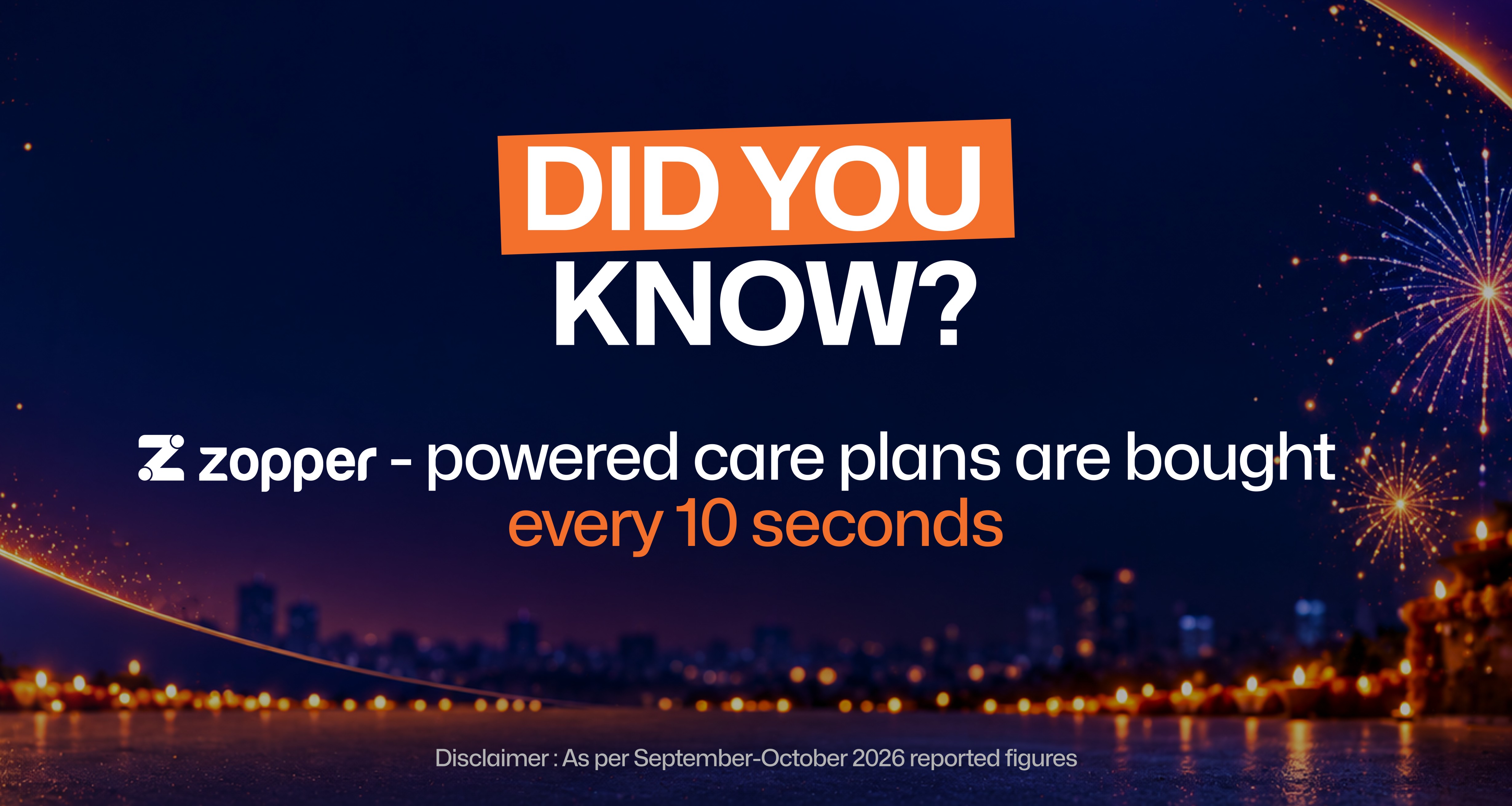
That frequency illustrates the extent to which care plans have become part of consumer electronics and appliance distribution.
For a manufacturer, the strategic question is whether assurance can strengthen the primary product proposition. For a retailer, it is whether the ownership offer gives customers another meaningful reason to choose a product. For the customer, it is whether the promise translates into a more predictable and dependable ownership experience.
We believe this direction is worth watching. As brands look for new ways to distinguish products in crowded markets, the experience promised beyond the point of purchase is becoming part of the story told before it.
The next point of differentiation may not just be another thing a product can do. It might as well be another reason a customer feels confident choosing it.
About Zopper: Zopper provides technology and distribution infrastructure for insurance and lifestyle-care offerings, working with businesses across consumer electronics, retail and financial services.