
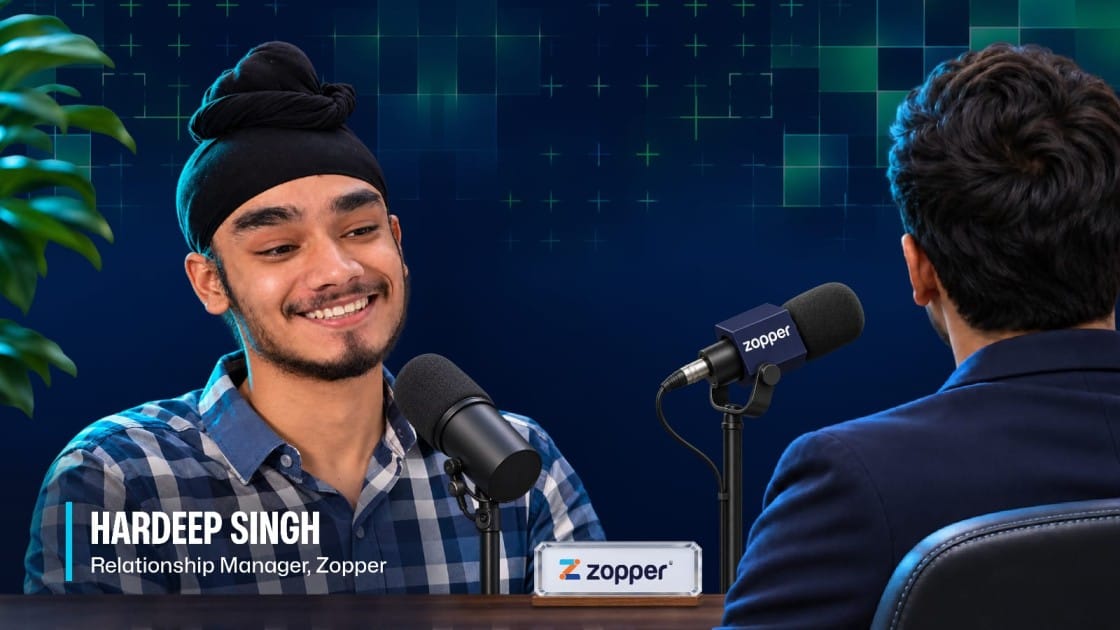




In conversation with Hardeep Singh, Relationship Manager @ Zopper on the realities of India's consumer electronics assurance ecosystem.
Zopper: Having worked closely with India's consumer electronics retail ecosystem, whathas your experience taught you about selling assurance?
Hardeep: Through our interactions with retailers and sales promoters, we've realisedthat the success of an assurance proposition depends on much more than itsfeatures or pricing. It depends on how confidently it is recommended, how wellit is explained and, ultimately, how reliably the promise is delivered.
I've personally seen retailers who consistently recommend a particular OEM-backed assurance programme because they genuinely understand the value it offers customers and can confidently stand behind what they’re recommending.
On the other hand, some retailers hesitate because of previous experiences involving service delays, claims-related complications or unexpected charges.
That's why, at Zopper, we make it a point to not look at retailers merely as distribution channels. We see them as trust intermediaries between the assurance provider and the customer.
Zopper: So, how do you build that confidence?
Hardeep: That's where consistent on-ground engagement becomes important. We've seen the importance of having dedicated Single Point of Contacts (SPOCs) for territories. Their role should go beyond monitoring sales targets or conducting periodic store visits. At Zopper, we regularly engage with retailers, communicate updates, conduct refresher training & engagement programs (we’re fairly confident our engagement rates are highest in the industry)
We strongly believe retail relationship management is about being present, accessible and useful to the people representing the proposition to customers.
Zopper: What are you seeing at the consumer level?
Hardeep: We see two distinct challenges: awareness and affordability. Some customers consider additional assurance unnecessary because they don't fully understand its relevance. Others recognise its value but hesitate because they're already making a significant investment in the primary device. We've also encountered customers who are interested in assurance but prefer an EMI option rather than paying the entire additional amount upfront.
These are different challenges and need different solutions.
At Zopper, we believe in leading with informed and trusted consultation. Our promoters and sales teams need to understand customer concerns, explain the proposition clearly and communicate its benefits honestly. Equally important is setting the right expectations around coverage, exclusions and the claims process.
Technology plays an equally important role in making assurance more accessible. By enabling convenient payment options such as EMIs, we can address upfront affordability concerns and make it easier for customers to opt for assurance.
Ultimately, awareness requires the right conversation, while affordability requires the right solutions. Bringing both together is essential to making assurance more understandable, accessible and relevant to customers.
Zopper: You have spoken about building retailer confidence and improvingcustomer understanding. What happens when a customer actually needs to make a claim?
Hardeep: That's perhaps the most important part of the entire journey. The actual value of an assurance plan becomes visible when a customer needs to use it. This is also where word-of-mouth begins.
At Zopper, we believe that the responsibility of delivering an assurance promise cannot be fragmented across stakeholders. From the customer's perspective, it doesn't matter whether the insurer, administrator or service partner is responsible for a particular step.They see one assurance proposition and expect one consistent experience. Our approach is therefore centred on bringing these stakeholders closer together, improving coordination and making the claims journey more transparent.
Technology plays an important role here. From making coverage details accessible and providing claim-status updates to improving coordination with service partners, we see digital infrastructure asa way to reduce communication gaps and unnecessary friction throughout the journey.
We also believe the retailer's role shouldn't end once a plan is sold. Retailers are often the first to hear about customer grievances and service-related challenges. At Zopper, we see this feedback as an important input into improving service delivery. Recurring complaints should help identify operational gaps, highlight coordination issues and drive corrective action.
For us, delivering on the assurance promise isn't just about resolving an individual claim. It's about building the processes, accountability and technology that make the overall experience more reliable, every time a customer needs us.
Zopper: If you were to put all these learnings together, what do you believe the industryneeds to get right to build a stronger assurance ecosystem?
Hardeep: I'd bring it together through four pillars that I call the 4A Framework ofAssurance.
The first is Awareness: helping customers understand what they're purchasing, what's covered, what's excluded and why assurance may be relevant to their ownership journey.
The second is Accessibility: making assurance easier to discover and purchase through retail channels, informed promoters, simple product explanations and convenient payment options.
The third is Accountability: ensuring every stakeholder, from retailers and insurers to administrators and service partners, understands their responsibilities. There must be clear ownership of issues and a feedback mechanism through which recurring problems lead to improvements.
And finally, Delivery: making the promise count when a customer actually needs assistance. Transparent claims, timely service, effective coordination and minimal friction are essential.
These four pillars are interconnected. Strong awareness without accessibility won't generate demand. Accessibility without accountability can create poor experiences. And without reliable delivery, even the strongest sales proposition will struggle to build lastingtrust.
A special thank you to Hardeep for taking the time to share his experiences and perspectives from the ground.